First Peoples Outdoor Institute · Our Approach
Learn through practice.
Stay accountable to place.
We bring Indigenous land-based learning and ecological field practice into the same learning space, with respect for the people, knowledge and responsibilities involved.
The work is practical: listen, observe, make, test, reflect and return. What matters is how those skills change the way we work with a place and with one another.
Indigenous learning foundations
Relationships shape
what and how we learn.
Learn in place
Land-based education is connected to particular lands, languages, communities and lived experience. Local context matters. Ali brings his own experience and Indigenous engagement practice, rather than a claim to speak for every Nation.
Learn by doing
Observation, listening, oral teaching where appropriately shared, demonstration and repeated practice all have a place. Learners make field records, practise a skill and explain the decisions behind their work.
Carry responsibility
A useful field skill includes care for its effects. We consider disturbance, relationships, respectful use of knowledge and what to leave unrecorded. Reflection leads to a practical change, not just a completed worksheet.
Etuaptmumk
Two-Eyed Seeing
Two-Eyed Seeing is a Mi’kmaw guiding principle associated with Elders Albert and Murdena Marshall. It invites learning with the strengths of distinct knowledge systems.
We keep those differences visible. Ecological methods and Indigenous knowledge have their own contexts, purposes and responsibilities. Learning together requires respect for each, including the authority of the people who share knowledge.
Read the Unama’ki Institute of Natural Resources accountFrom a field skill
to a better practice.
- Prepare. Understand the place, the purpose, the group and the conditions.
- Practise. Use a clear method, compare observations and make a record someone else can follow.
- Reflect and apply. Explain a decision, respond to feedback and choose what to do differently next time.
Specific cultural teachings are shared only by the people with the authority and agreement to do so. Learning with someone does not transfer their knowledge or permission to record, reproduce or teach it.
If you want to read further
Public work we
learn alongside.
Indigenous scholars and educators have written carefully about land, learning and responsibility. These are useful starting points, not a required academic reading list.
Etuaptmumk / Two-Eyed Seeing
Unama’ki Institute of Natural Resources; Mi’kmaw Elders Albert and Murdena Marshall
Learning with the strengths of distinct knowledge systems while respecting their integrity.
Land as pedagogy
Leanne Betasamosake Simpson
A Nishnaabeg account of learning through land, community and lived practice.
Searching for synergy
Robin Wall Kimmerer
Experiential ecological learning and responsibility in the use of knowledge.
First Peoples Principles of Learning
First Nations Education Steering Committee
Relational, experiential learning, patience and appropriate permission to share knowledge.
Outdoor learning in Canada
Acknowledgments
& useful resources
We acknowledge the work of educators and organizations who share practical resources for outdoor learning, thoughtful leadership and care for the land.
The Howl Experience
Community-based experiential learning, reflection and applying learning after a program.
Outdoor Council of Canada
Clear objectives, systematic planning, group decisions and debriefing.
Leave No Trace Canada
Practical choices that reduce the impacts of outdoor activity.
These public resources offer useful context for our approach. They are not partner, endorsement or certification claims. Community-specific teachings remain with their knowledge holders.
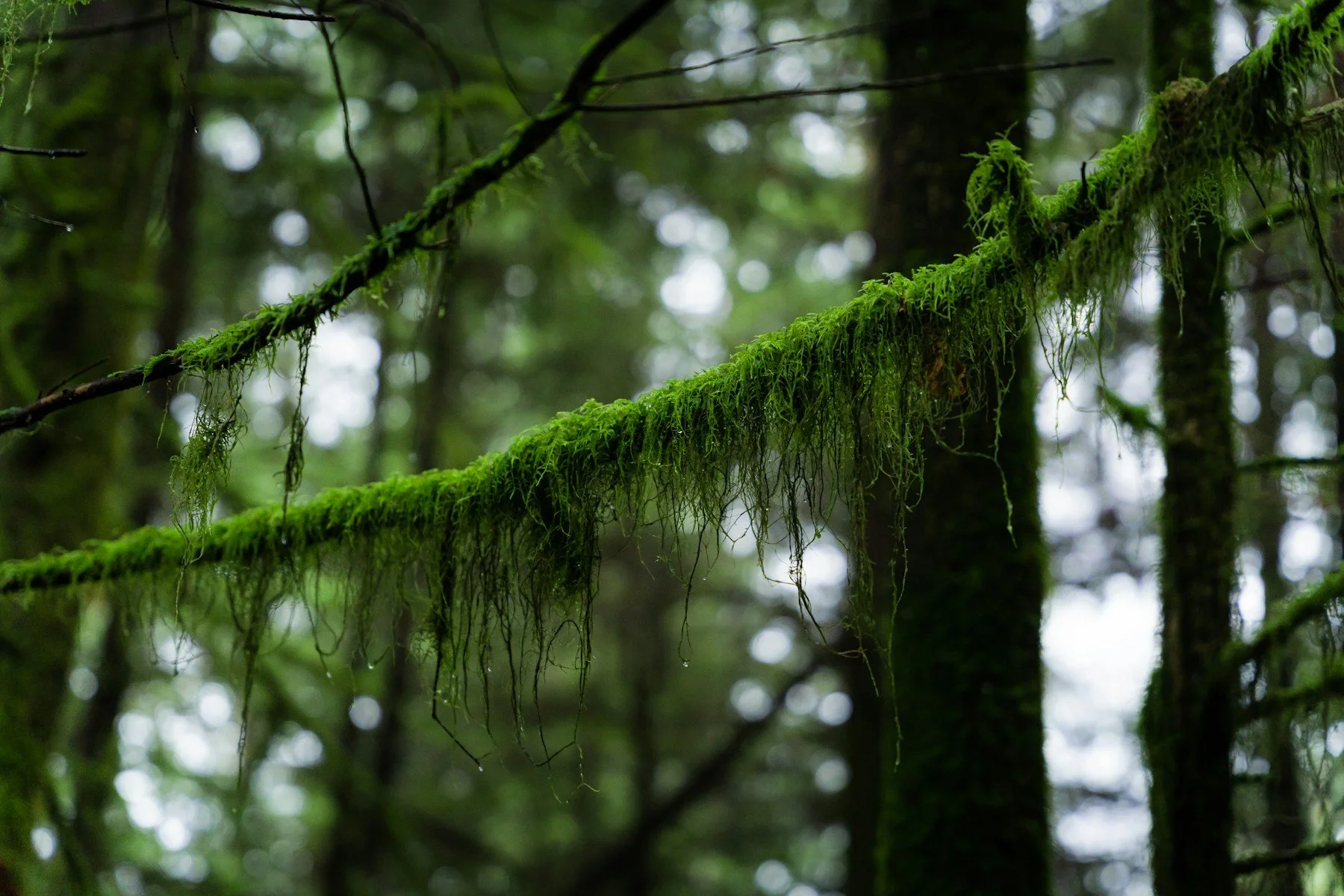
Detail photography: Minh / Unsplash; Madison Inouye and Roman Kirienko / Pexels. Images illustrate field observation, not Institute activities.