First Peoples Outdoor Institute · Seasonal Field School
Practical skills.
Four seasons on the land.
Plant identification. Habitat surveys. Wildlife signs. Field preparation. Three numbered modules turn each season into a clear progression of skills and practice.
Indigenous land-based learning and ecological fieldwork come together in three-day curricula, with online preparation and reflection. For biologists, scientists, academics, environmental practitioners and adult learners.
Upcoming dates TBA. Location, fees and the final teaching team are listed with each offering.
The learning format
Prepare. Practise.
Show what you learned.
Before the field days
Use the online briefing to prepare your kit, review the place and work through a short field scenario.
Three practical modules
One module each day. Watch a demonstration, practise with others, create a useful field record and check the skill.
Afterward
Refine your work, share a short reflection and choose one practice to carry into your job, research or next field visit.
Learning includes listening, direct observation, demonstration and repeated practice. We connect what we do in the field with responsibilities to people and place. Read about our Indigenous learning foundations and public resources.
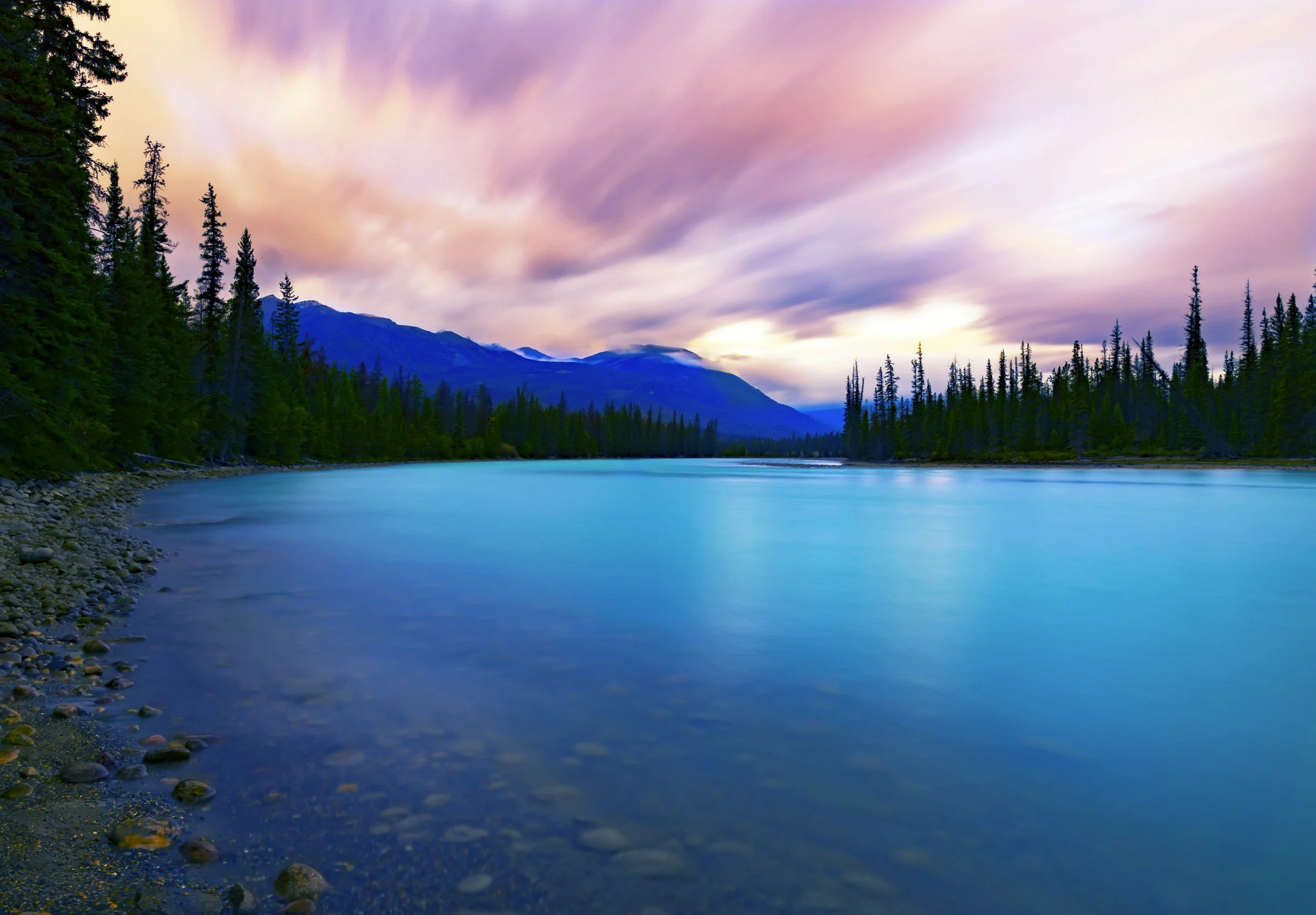
01 / Spring
Plants, Place & Seasonal Change
Read the first signs of the season. Build a record you can return to.
Three field days + online preparation and reflection
Download Spring curriculum (PDF)Read buds, leaves, wet ground and returning activity as parts of a living place. Practise plant observation, site mapping and seasonal monitoring alongside discussion of local relationships and responsibilities. The course moves from close observation to a simple field plan you can use in your own work.
Skills you will practise
- Create a site sketch and three complete plant-feature records.
- Compare two microhabitats using the same observation method.
- Build a seasonal revisit plan with clear observations, timing and low-impact choices.
Module 1 | Plant Features & Site Mapping
Begin with local context, group expectations and responsibilities to the place. Use leaves, stems, buds and growth form to describe three plants. Sketch the route, habitat edges and observation points. Practise using a field guide without treating a first impression as a confirmed identification.
Make: A labelled site sketch and three plant-feature records.
Skill check: A partner can follow your record and see which identifications remain uncertain.
Module 2 | Seasonal Signs & Habitat Comparison
Compare two small observation areas using a shared field sheet. Record moisture, exposure, plant development and signs of activity. Repeat the same observation steps and compare results. Discuss how time, weather and careful attention change what becomes visible, and how to work without unnecessary disturbance.
Make: Two comparable habitat records and a list of observed seasonal differences.
Skill check: Explain a difference using the record, and name another possible explanation.
Module 3 | Seasonal Monitoring & Field Communication
Return to selected observation points and check the clarity of your notes. Choose indicators you could observe again through the season. Set a revisit schedule, identify access and knowledge-sharing considerations, and give a short field briefing that connects your methods with care for the place.
Make: A one-page seasonal revisit plan and a three-minute field briefing.
Skill check: The plan states what to observe, how to repeat it and what remains outside its scope.
Online preparation & reflection
Before: review the site briefing, pack list and a short plant-observation guide. After: tidy your records, incorporate peer feedback and choose a nearby place where you could repeat the observation practice with appropriate access.
Who it suits
Biologists, scientists, educators, researchers and adult learners who want a practical foundation in seasonal observation and place-based learning.
Teaching plan
Ali Tapaquon: land relationships, listening and reflective practice. Zac: plant observation, habitat mapping and seasonal monitoring methods.
Your field portfolio: A site sketch, three plant-feature records, paired habitat observations and a seasonal revisit plan.
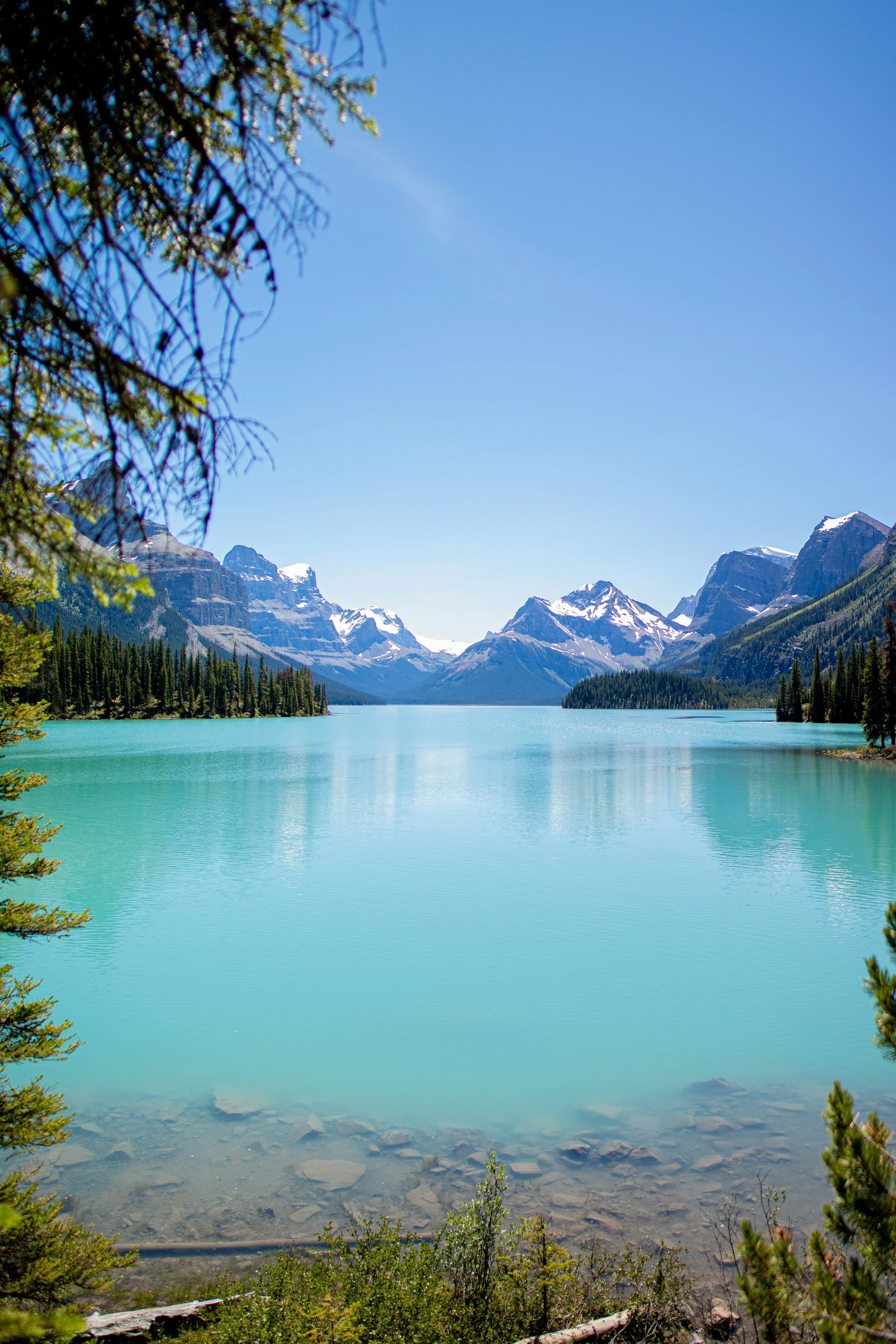
02 / Summer
Plant Identification & Field Ecology
Identify with care. Survey with a method. Explain what the record shows.
Three field days + online preparation and reflection
Download Summer curriculum (PDF)Summer offers a full field of detail: plant structure, habitat edges and the relationships among them. Work through identification, a simple ecological survey and a clear field summary. Keep useful methods alongside care for the site and respect for the different sources of knowledge that inform the work.
Skills you will practise
- Use observable features and reference tools to support three plant-identification records.
- Complete a simple plot or transect exercise with its method and effort documented.
- Produce a habitat summary that distinguishes findings, uncertainty and follow-up needs.
Module 1 | Plant Identification Methods
Examine leaves, stems, flowers where present, growth form and habitat. Work through a field guide or identification key and compare it with direct observation. Build three identification records with supporting features and confidence notes. Discuss why a botanical name, cultural knowledge and claims about plant use require different kinds of care.
Make: Three identification records with visible supporting features.
Skill check: Show the features behind each identification and identify what would resolve uncertainty.
Module 2 | Ecological Survey Practice
Set up a site-appropriate plot or transect exercise. Agree on what to record, note sampling effort and conditions, and collect comparable observations in small groups. Compare differences between observers. Consider how route, placement and repeat visits can reduce disturbance while keeping the method useful.
Make: A completed survey sheet, method sketch and record of field conditions.
Skill check: Another group can explain your method and repeat the exercise from your notes.
Module 3 | Habitat Interpretation & Reporting
Bring plant records, habitat observations and location notes together. Prepare a concise habitat summary with evidence, limitations and useful next steps. Review what is appropriate to photograph, map or share. Present one finding to the group and respond to questions using your field record.
Make: A one-page habitat summary and a short field presentation.
Skill check: A reader can distinguish what you observed from what you inferred.
Online preparation & reflection
Before: review the site briefing and a short introduction to field sheets and identification resources. After: revise the habitat summary and select one documentation habit to bring into your work.
Who it suits
Environmental practitioners, biologists, graduate students, researchers and adult learners looking to strengthen foundational identification, survey and documentation skills.
Teaching plan
Zac: identification methods, ecological survey exercises and documentation. Ali Tapaquon: land relationships, learning responsibilities and reflective discussion.
Your field portfolio: Three plant-identification records, a practice survey sheet and a concise habitat summary.
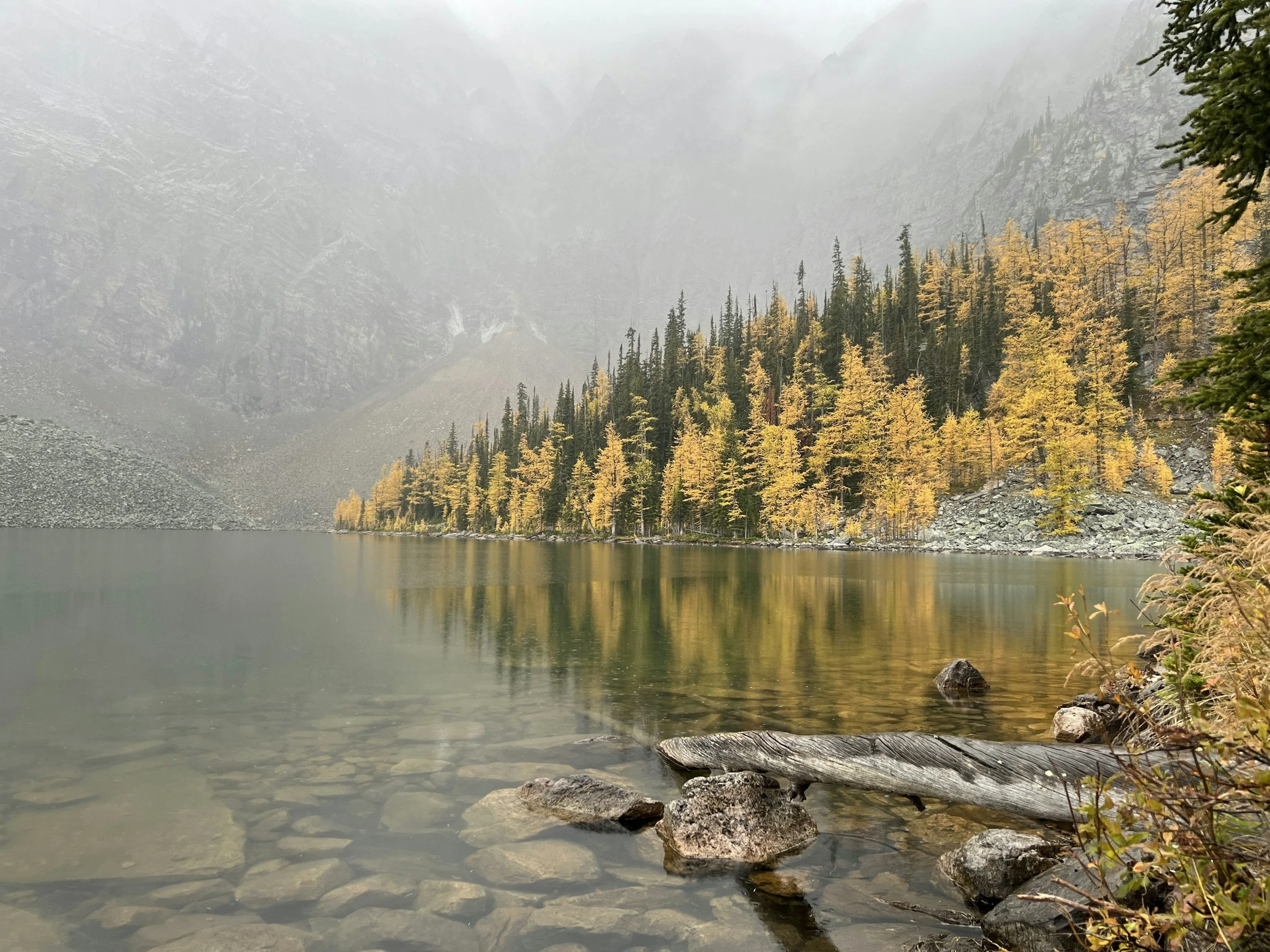
03 / Fall
Wildlife Signs, Stewardship & Monitoring
Read the signs of a changing season. Put care into the next field plan.
Three field days + online preparation and reflection
Download Fall curriculum (PDF)Tracks, seed heads, changing vegetation and habitat structure offer a different view of the land in fall. Practise reading signs, comparing evidence and designing a useful monitoring plan. Work through how stewardship decisions connect ecological observations with the people and responsibilities of a place.
Skills you will practise
- Record three signs or habitat features with evidence and uncertainty clearly separated.
- Compare fieldwork choices for their ecological impact and relationship responsibilities.
- Build a repeatable monitoring plan with a question, baseline record and return schedule.
Module 1 | Wildlife Signs & Habitat Reading
Look for tracks and other activity signs, vegetation changes and shelter features where conditions allow. Sketch or photograph relevant details and record their habitat context. Compare possible explanations rather than forcing an identification. Connect a close observation with the wider landscape.
Make: Three sign or habitat-feature records and an annotated site sketch.
Skill check: Explain which details support an interpretation and which remain unknown.
Module 2 | Stewardship Decisions in the Field
Work through a practical site scenario: a repeat survey, a group route or a sensitive observation. Compare options for access, disturbance and information sharing. Identify whose guidance is needed. Choose a concrete way to reduce impact and explain how that choice supports a respectful relationship with the place.
Make: A field-decision worksheet with a justified low-impact choice.
Skill check: The decision identifies its evidence, consequences and people who need to be involved.
Module 3 | Monitoring Design & Seasonal Baselines
Turn a field question into a small monitoring plan. Select observations that can be repeated, establish a baseline sheet and set a realistic return schedule. Test the instructions with another group. Close with a short briefing on what the plan can show and what further knowledge or expertise it needs.
Make: A one-page monitoring plan, baseline sheet and field briefing.
Skill check: A second group can use the plan without guessing what to measure or record.
Online preparation & reflection
Before: review the site briefing and bring a monitoring or stewardship challenge. After: revise the plan with feedback and identify the relationships and permissions needed before using it.
Who it suits
Environmental practitioners, researchers, educators and teams developing monitoring projects or strengthening the link between field observations and stewardship.
Teaching plan
Zac: wildlife-sign observation, habitat assessment and monitoring design. Ali Tapaquon: stewardship relationships, responsibilities and professional application.
Your field portfolio: Sign and habitat records, a stewardship decision worksheet and a monitoring plan with a baseline sheet.
04 / Winter
Tracks, Field Readiness & Winter Ecology
Prepare for the conditions. Read the landscape. Make sound group decisions.
Three field days + online preparation and reflection
Download Winter curriculum (PDF)Winter asks for practical preparation and patient observation. Build a daylight field plan, examine tracks and habitat structure, and practise making decisions as conditions change. Outdoor experience and ecological observation come together in a short, site-appropriate group exercise.
Skills you will practise
- Prepare a daylight field plan with clothing, equipment, weather and decision points.
- Record three winter signs or habitat features without overstating identification.
- Complete a small-group route exercise and explain decisions made along the way.
Module 1 | Cold-Season Field Preparation
Build a practical plan around the forecast, daylight, route and group. Review layering, equipment, communication and turnaround decisions. Compare sheltered and exposed locations on a short site walk. Use those observations to check whether the plan fits the conditions.
Make: A winter day-kit checklist and a field plan with decision points.
Skill check: Explain what would make you adjust, shorten or stop the planned field activity.
Module 2 | Tracks & Winter Habitat
Observe tracks and other signs where conditions allow, along with bare vegetation and habitat structure. Sketch useful details, note substrate and weather, and compare more than one explanation. Discuss how snow, wind and time change the record and how to observe without pursuing wildlife.
Make: Three winter sign or habitat-feature records with context notes.
Skill check: State what the evidence supports and what the conditions make uncertain.
Module 3 | Navigation & Group Field Decisions
Use a map or site sketch to follow a short, approved route in small groups. Apply the day’s preparation plan, check the conditions at agreed points and record changes in the plan. Share a concise debrief linking group decisions, winter observations and care for the site.
Make: An annotated route plan and a group decision log.
Skill check: Explain where the group changed its plan and the evidence behind that choice.
Online preparation & reflection
Before: review the site briefing and prepare a clothing and equipment checklist. After: revise the plan from your field experience and identify a winter observation to revisit in spring.
Who it suits
Professionals extending their field practice into winter and adult learners seeking practical cold-season preparation, observation and group decision-making skills.
Teaching plan
Zac: winter ecology, habitat structure and wildlife-sign observation. Ali Tapaquon: outdoor preparation, land-based reflection and group learning.
Your field portfolio: A winter checklist, field-day plan, observation records and an annotated route with a decision log.
Experience behind the teaching
Land relationships.
Practical field experience.
Ali Tapaquon
Principal and Founder of Tatâga Inc. Ali brings Indigenous engagement and organizational-learning work, outdoor and hunting experience, and continuing herbology studies at Wild Rose College.
Teaching focus: land relationships, practical preparation and the responsibilities of learning with others.
Zac
Zachery Wulf Shiell Gillrie is the principal of ZWULF Inc. His environmental consulting work includes wildlife and habitat surveys, monitoring and fieldwork across western Canada.
Teaching focus: ecological methods, field observation and clear documentation.
Teaching roles describe the course plan. Ali and Zac bring their existing professional and outdoor backgrounds; the final instructor team is listed with each offering. Elders, Knowledge Keepers and guest professionals are named only when their participation and teaching scope are agreed.
More about Ali and ZacPlanning your field days
How often will programs run?
The planned rhythm is a couple of offerings each month, with the curriculum following the season. Confirmed dates will appear on the calendar.
Do I need field experience?
These courses are for adults with a range of experience. Each listing will explain prerequisites, terrain and activity demands. Tell us your learning goals if you would like help choosing a course.
Can my team attend together?
We welcome group cohorts and custom-learning inquiries. Share your goals, group size and preferred season so we can discuss a suitable scope.
Does this carry professional credits?
No accreditation, professional certification or CPD credits are currently promised. Check your own professional body’s requirements before treating participation as reportable learning.
What about access and participation arrangements?
Each listing will describe the route, facilities, equipment and conditions. Contact us about practical arrangements that would help you participate, without sending medical records.